Back to blog
Why Does My Furnace Keep Turning On and Off?
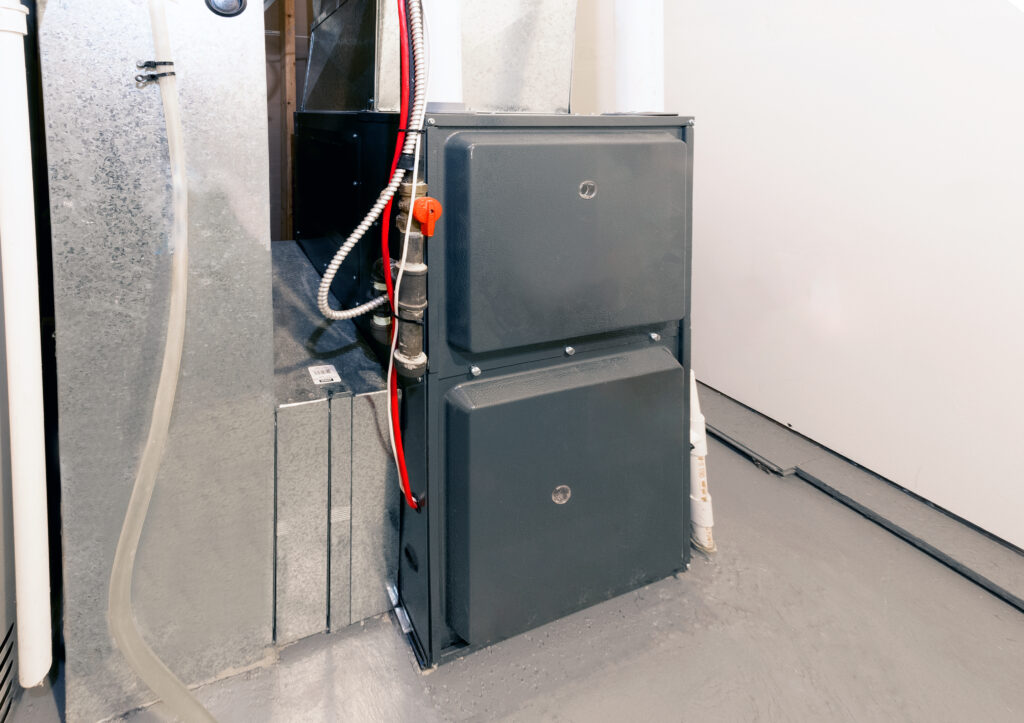
If you’ve never heard the phrase before, short-cycling refers to a condition where your furnace turns on and off before completing a cycle. While that may seem like no big deal, it’s an indication that something’s wrong with your furnace. Whenever a furnace short-cycles, it wastes energy, struggles to meet your comfort needs, and experiences increased wear and tear. Here are some of the common reasons for short-cycling and when you should call for professional furnace service.
What Short Cycling Means (And Why It’s a Problem)
When your furnace works as intended, it should cycle on and off no more than three times each hour. The only exception is in extreme cold, when it may stay on longer, resulting in fewer hourly cycles. However, if your furnace turns on, runs briefly, and shuts off before reaching your desired temperature, then repeats the process, something’s wrong.
A short-cycling furnace will burn more fuel than necessary. That will lead to higher heating costs and subject the furnace’s components to undue stress, potentially leading to premature failure. Eventually, that will translate into higher repair costs and a need for a new furnace sooner than you’d hoped. Plus, a short-cycling furnace likely won’t keep your home at a stable temperature. So, unless you like spending more while being uncomfortable, you should address your furnace’s short-cycling immediately. The following issues are some common causes of short-cycling.
Dirty Air Filter Restricting Airflow
One of the most common causes of furnace short-cycling is a dirty air filter. Most furnaces need a new air filter every three months to keep working well. A dirty air filter will restrict airflow through your furnace, which can lead to overheating and trigger safety shutoffs. Therefore, if your furnace starts short-cycling, check its air filter and replace it if necessary.
Thermostat Problems or Poor Placement
Your thermostat can also be the cause of your furnace’s short-cycling. If you have a battery-powered thermostat, try replacing the batteries to see if that resolves your issue. Loose thermostat wires can also cause your furnace to short-cycle by sending erroneous signals. The same applies to a misconfigured thermostat. And, while less likely, poor thermostat placement can cause short-cycling, especially in a new installation. If your thermostat is too close to a vent, a window, or another heat source, it won’t accurately measure the air temperature.
Overheating Due To Blocked Vents or Duct Issues
Closed or blocked vents or return air grilles are another frequent cause of furnace short-cycling. Just like a dirty air filter, these can trigger overheating. It happens because the furnace can’t effectively move heat away from its heat exchanger. That will force the furnace to shut down to protect itself. Leaky or undersized ductwork can have similar effects if it prevents your furnace from moving enough air volume.
Flame Sensor or Ignition Problems
Your furnace’s flame sensor is a critical part of its safety system. The flame sensor’s job is to shut down your furnace if its gas supply fails to ignite. Unfortunately, a dirty flame sensor may behave erratically, leading to short-cycling. You can prevent the problem with regular furnace maintenance. However, if your furnace’s ignition system is faulty, short-cycling may also occur. It happens because the flame sensor turns off the gas supply if ignition doesn’t occur in an appropriate timeframe after startup.
Oversized Furnace for the Home
If your furnace has short-cycled for as long as you can remember, it may be too large for your home. A furnace that produces more heat than your home needs will cause rapid temperature fluctuations. In that case, the short-cycling isn’t a malfunction, and this is not a situation that maintenance can fix. You will continue to experience uneven temperatures until you replace the furnace with one that is the right size for the home.
Safety Switches and Limit Switch Issues
Your furnace also contains safety equipment that can trigger short-cycling. For example, your furnace’s high-limit switch will shut it down if the furnace’s internal air temperature exceeds safe limits. It also has a pressure switch that protects your furnace from dangerous backdrafts, which occur when exhaust gases are pulled back into the home instead of vented outdoors. If your furnace’s short-cycling is a result of either switch, you must have the problem repaired immediately, for your own safety.
When To Call a Professional
If you’ve already opened all your home’s vents and replaced your furnace’s air filter without noticing any improvements in the heating, you should call us for help. The same applies if you notice burning smells, strange loud noises, or visible soot on and around your furnace. Those can represent safety concerns that you shouldn’t ignore. Also, if your furnace frequently shuts down in cold weather or you suspect a gas or carbon monoxide leak, you need immediate assistance. We offer emergency furnace repair for those situations.
Fix Short Cycling Before It Turns Into a Bigger Repair
The bottom line is that ignoring a short-cycling furnace will almost certainly lead to larger problems. After all, it’s a condition that results from things like overheating and other malfunctions. So, if your furnace short-cycles, you’d do well to investigate the cause. And if it needs a professional assessment, schedule an inspection by one of the experts at Suburban HVAC in Westwood, MA today.