Back to blog
Understanding SEER Ratings: Choosing the Right HVAC System for Your Boston Home
What Are SEER Ratings & Why Do They Matter?
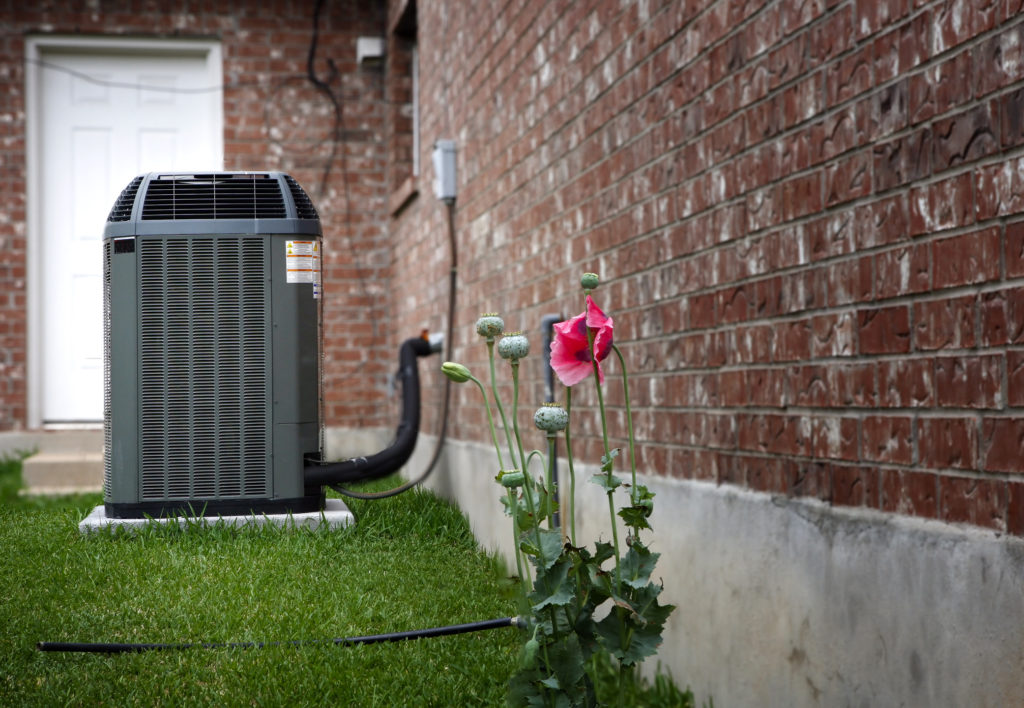
Maintaining a comfortable home is a top priority for homeowners in Boston. That’s why it’s critical to have a home comfort system that is both effective and efficient. When choosing an HVAC system, homeowners must understand SEER ratings to make the best decision. A SEER (Seasonal Energy Efficiency Ratio) rating measures how efficient an AC or heat pump is in cooling a home.
Below, the HVAC experts at Suburban HVAC discuss ideal SEER ratings for HVAC systems and the benefits of choosing a more efficient system for your home.
How Do SEER Ratings Impact HVAC Performance?
Boston can experience humid New England summers, making energy-efficient air conditioners a popular choice. These systems with higher SEER ratings consume less energy to reduce your electric bills without compromising comfort. Plus, a more efficient HVAC system is an eco-friendly choice for homeowners looking to reduce their carbon footprint.
How SEER Ratings Affect Energy Efficiency & Savings
The higher the SEER rating, the more energy-efficient an AC will be. On average, homeowners can save roughly 5-10% in cooling costs for every 1-point increase in SEER. These long-term benefits and cost savings can offset the initially larger cost of a more efficient system, resulting in a wise investment in your home.
SEER Ratings & HVAC Regulations in Massachusetts
The U.S. Department of Energy recently revised SEER standards in 2023. During this revision, the DOE established 14 SEER as the minimum SEER rating for any AC systems in the Northern region, including Massachusetts. This equates to 15 SEER2, and HVAC companies have transitioned to this rating, which is based on more accurate testing done under real-world conditions.
Choosing the Right HVAC System Based on SEER Ratings
To ensure you select the right system for your home, consider these factors:
- Size and insulation: Larger, poorly insulated homes benefit more from energy-efficient systems.
- Upfront vs. operating costs: Homeowners should find the balance between more expensive systems that cost less to run and affordable systems that may incur higher energy bills.
- High needs: We recommend high-SEER systems for large homes, older homes, eco-conscious homeowners, or homeowners who are home all day.
SEER Ratings & HVAC Performance in Boston’s Climate
When Boston experiences humid summer weather, your AC has to work harder to keep your home at the ideal temperature. That’s why we recommend that homeowners choose systems with a minimum SEER rating of 16-18 and systems with SEER 19+ if they use their air conditioner heavily.
Common Questions About SEER Ratings & HVAC Systems
What’s the difference between SEER and EER?
SEER measures your system’s efficiency over an entire season, whereas EER (Energy Efficiency Ratio) helps identify how your system will operate in extreme heat.
Is a higher SEER always better?
A higher SEER isn’t always better, especially in homes that don’t use their AC frequently. In these instances, the cost of a high-efficiency system may not outweigh the savings you’ll experience in energy bills.
How do heat pumps compare in terms of SEER?
Most modern heat pumps are SEER 14-22 and are highly efficient in cooling your Boston home.
Trust Suburban HVAC for Energy-Efficient Air Conditioners in Boston
Homeowners in Boston can rely on Suburban HVAC to install high-efficiency air conditioners. Our dedicated and experienced team is committed to providing energy-efficient options to homeowners and providing customers with education to help them make a wise investment in their home. By lowering your energy costs, we help you save without sacrificing your comfort, and aim to provide individual solutions for individual needs. With quick, reliable response and decades of experience, we’re Boston’s premier HVAC service provider.
Schedule AC installation services in Boston by calling Suburban HVAC today.