Back to blog
How Your Boston HVAC System Can Improve Indoor Air Quality

Indoor air in your home plays a major role in your overall health, comfort, and general well-being. In a busy city like Boston, homes are typically sealed tightly to combat the colder winter and humid summer conditions. Unfortunately, this can allow unwanted indoor air pollutants to get trapped inside your home. Fortunately, with the right HVAC equipment, you can enhance your indoor air quality and breathe easier.
Why Indoor Air Quality Matters in Boston Homes
When you have poor indoor air quality, it can lead to a slew of health issues. These include allergy flare-ups, asthma symptoms, long-term respiratory issues, and even fatigue. Younger children and elderly residents are more at risk of developing health issues when air quality is poor.
Boston has a unique climate that experiences very cold winters and hot and humid summers. Many homeowners will seal up their homes tightly to better regulate indoor temperatures. This makes air quality an important concern. Seasonal temperature changes can make it challenging to balance ventilation, humidity, and filtration without the proper HVAC support.
How HVAC Systems Improve Indoor Air Quality
Your HVAC system is responsible for moving air throughout the various rooms of your home. This makes it a key contributing factor when it comes to controlling indoor air quality. A properly maintained system can remove dust and allergens while also preventing stagnant air from lingering in rooms.
Air Filtration and Purification
One of the most obvious ways that your HVAC system can enhance your indoor air quality is through optimal air filtration. Replacing the filter in your system routinely will ensure better indoor air quality. We recommend replacing your filter at least once every two to three months. Ideally, you should be checking your air filter once a month so that you can replace it when necessary. A clogged or dirty filter can allow particles to recirculate, increasing allergy and asthma triggers.
You may want to consider investing in a high-efficiency filter with a MERV rating between 11 and 13. While these come at a premium price, they offer better filtration than standard air filters. This can further reduce the amount of indoor air pollutants in your home, like pollen. Using a high-efficiency filter is particularly important during spring and fall when pollen and dust levels are higher.
Another potential way your HVAC system can boost your indoor air quality is through air purification add-ons. Whole-home air purification systems use technology, like UV sanitizing lights, to eliminate unwanted airborne toxins in your home. This takes it a step further when it comes to reducing airborne contaminants, like dust and pollen, in your home. Some advanced systems can also neutralize bacteria, viruses, and household odors, providing cleaner and safer air for every room.
Humidity Control Solutions
Humidity plays a significant role in your home comfort and overall indoor air quality level. Whenever there’s excessive humidity in your home, it can lead to issues like mold and mildew growth. This can trigger respiratory illness and leave your home with a persistent musty odor. However, if the humidity level is too low, it can also lead to other health problems. These include irritation of your eyes, skin, and even your respiratory system. Proper humidity control can also help preserve furniture, flooring, and electronics.
Controlling indoor humidity all starts with having the right HVAC equipment. Whole-home humidification and dehumidification systems are an ideal choice for Boston homeowners. During the summer months, your whole-home dehumidifier can run alongside your HVAC system to remove excess indoor humidity. During the winter months, your whole-home humidifier can add humidity to the air to make it more comfortable for your family. These systems work automatically to maintain balance and prevent the extremes of dryness or dampness that can affect comfort and health.
Whole-home humidifiers and dehumidifiers work with an upgraded thermostat. The thermostat will monitor your relative indoor humidity level. Anytime the level gets too high, it will signal to your dehumidifier that it needs to turn on. Conversely, if your humidity level drops, it will turn your humidifier on. We highly recommend setting your relative indoor humidity between 30% and 50% for optimal indoor air quality and comfort. Maintaining this range also helps prevent the growth of dust mites and other allergens.
Duct Cleaning and Maintenance
At the heart of your HVAC system are your air ducts. Over time, as air travels through your ducting, it can allow dust and other debris to accumulate inside. This not only contributes to poor indoor air quality but can restrict airflow throughout your ducting. This can decrease the performance of your HVAC system, which can have long-term effects on your indoor air quality. Blocked ducts can also increase energy costs, as the system works harder to move air efficiently.
We recommend having a professional routinely clean your ductwork to remove that buildup of debris. Ideally, you want to schedule this service every three to five years. Additionally, consider sealing up your ductwork every eight to 10 years. This service uses a hardened resin to create an airtight seal for your ducting. This prevents negative air pressure from pulling in dust and other debris from floor and wall cavities where your ducting has air leaks. Sealed ducts also help maintain even heating and cooling throughout your home.
Ventilation Improvements
Having proper ventilation in your home is necessary to remove stale air and replace it with fresh, filtered outdoor air. Unfortunately, many Boston homes are outdated and lack adequate ventilation. This can allow unwanted pollutants to accumulate inside your home without an easy way to get out. Investing in ventilation upgrades to enhance airflow is great for boosting indoor air quality. It can also reduce unwanted odors without sacrificing energy efficiency from your HVAC system. Proper ventilation ensures that all areas of your home receive fresh air consistently, reducing the buildup of airborne contaminants.
HVAC System Tune-Ups
Another must when it comes to boosting your indoor air quality is getting routine HVAC system tune-ups. We recommend a tune-up in the fall for your heater and service for your cooling system in the spring. Routine maintenance involves inspecting, cleaning, lubricating, and testing all the internal components of your HVAC unit. This ensures that everything is operating efficiently. When your HVAC system is operating at its peak, it supports better air circulation and filtration. Regular tune-ups can also detect minor problems before they become major repairs, keeping your home safe and comfortable year-round.
Improve Indoor Air Quality With Professional HVAC Services
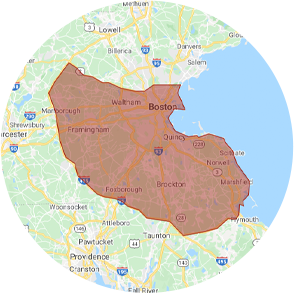
Suburban HVAC offers professional HVAC services for Boston and the surrounding communities. We’ve been serving the local area since 1965. We’re a Neighborhood Fav on Nextdoor and a BBB-accredited business. We offer easy online appointment scheduling for all of our customers. We’re a winner of the President’s Award from Carrier and a member of the ACCA. We’re also a Mitsubishi Electric Diamond Contractor and a Lennox Premier Dealer. Call us today to schedule HVAC services.
Frequently Asked Questions
We receive many questions about our premier HVAC services in Boston. Below, we address some of the most frequent ones customers ask regarding indoor air quality.
What Are Common Signs of Poor Indoor Air Quality?
There are many different indicators that you have poor indoor air quality in your home. These include frequent allergy and asthma flare-ups, excessive dust, persistent musty odors, headaches, fatigue, and mold growth. Other signs can include dry skin, irritated eyes, or a feeling of stuffiness in certain rooms.
How Does My HVAC System Help Clean the Air in My Home?
The main way that your HVAC system helps to clean the air in your home is through its filter. As your HVAC system circulates air throughout its ducting, it passes through a filter. This filter is responsible for removing toxins like dust, allergens, and pollutants from your indoor air.
Do Air Purifiers and Upgraded Filters Make a Big Difference?
Yes, upgraded air filters and air purifiers can create a tremendous difference in your indoor air quality. They work by reducing some of the smaller airborne contaminants that standard HVAC air filters miss. Combining filters with UV light or other purification technologies can further improve air cleanliness and reduce harmful pathogens.
How Often Should I Schedule HVAC Maintenance for Better Indoor Air Quality?
We recommend scheduling HVAC maintenance twice a year. Aim for AC maintenance in the early spring and heater maintenance in the early fall. This will ensure proper air filtration, balance in your ducting, and system performance.