Back to blog
How Long Should an AC Unit Last?
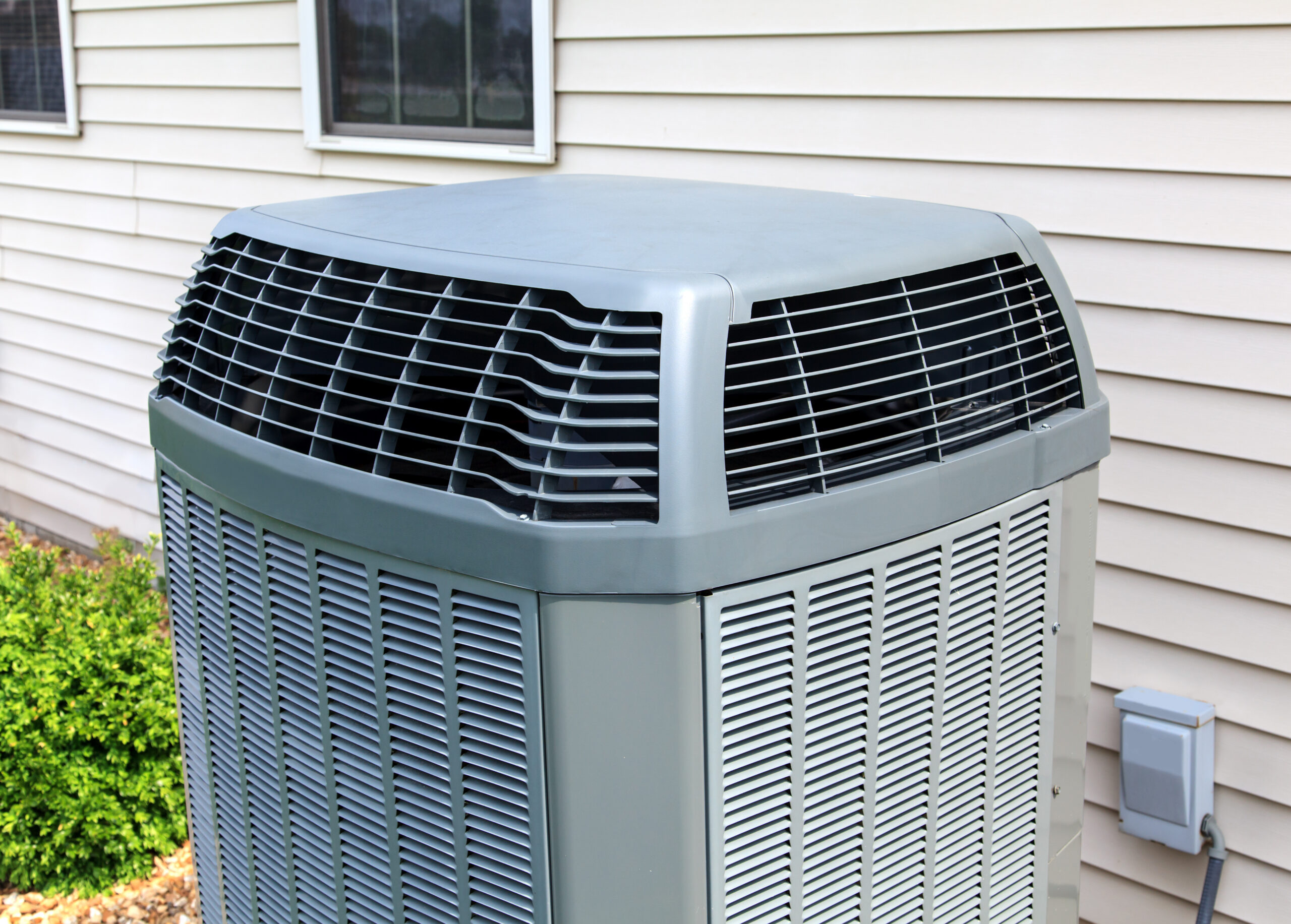
Your home cooling system is one of the most important components of your house during the hot summer months. It’s common for homeowners to wonder, “How long should an AC unit last?” before they have to worry about a replacement. That lifespan will vary depending on the type of system you have.
Understanding the general lifespan range for your AC can give you a better idea of when you may need a replacement. Other factors that can affect AC longevity include how often your system receives maintenance, its usage habits, your environment, and the installation quality. Being able to identify the early warning signs of an aging system can help you avoid unexpected breakdowns during heat waves.
What Is the Average Lifespan of an AC Unit?
In general, most residential AC units last 10 to 15 years if they’ve received proper care and upkeep. Some higher-quality systems may continue operating efficiently up to 20 years. However, poorly maintained units will almost always fail much sooner than those that are properly maintained.
Most central air conditioning systems and heat pumps have a useful life of 10 to 15 years. Ductless mini-split systems can last a bit longer, 15 to 20 years. Climate plays a huge role when it comes to AC lifespan.
Factors That Affect How Long Your AC Lasts
Many factors influence the overall lifespan of your air conditioning system. One of the most significant is how frequently you run your AC throughout the year. Constant operation during heat waves places a significant amount of strain on the internal components of your system. These include things like blower motors, compressors, capacitors, and refrigerant lines.
- Frequency of use
- Outdoor climate conditions
- Maintenance history
- Installation quality
- Frequency of air filter replacement
- Ductwork condition
- Indoor humidity levels
- Refrigerant issues
Having a properly sized air conditioner sets you up for the best chance of a long cooling system lifespan. If you have oversized equipment, it will short cycle constantly, leading to excessive wear and tear. An undersized unit may run almost nonstop, which also increases wear and tear over time. Calling for residential cooling services whenever you need them will help you experience fewer breakdowns and a longer equipment lifespan.
How Maintenance Can Extend AC Lifespan
The best way to extend the longevity of your home cooling system is to ensure it receives AC maintenance services. There are two categories of maintenance: homeowner maintenance and professional maintenance.
Homeowner maintenance includes things like ensuring your air vents are clean, cleaning up around your condenser unit, and changing your air filter. A dirty air filter is one of the simplest things to fix, but it can cause the most damage to your system if you ignore it.
Professional maintenance includes inspecting, testing, and cleaning all the internal components of your air conditioning system. This helps remove any dirt buildup that could reduce system efficiency and works to prevent mechanical issues due to excessive friction. Professional AC maintenance is necessary to maintain your warranty coverage and ensure efficient system operation throughout the summer.
Signs Your AC May Be Near the End
As a homeowner, it’s important to be mindful of any signs that your air conditioner is getting up there in age. Most air conditioning systems will show warning signs that they need replacement before they have a major failure. Being mindful of these signs will help you schedule a replacement before you experience a complete system failure during an extreme heat wave.
- Frequent breakdowns
- Rising energy bills
- Weak airflow
- Uneven cooling
- Warm air from vents
- Strange noises
- Excess indoor humidity
- Constant cycling
- Refrigerant leaks
When Repairs Stop Making Financial Sense
If you have an aging air conditioning system that’s frequently breaking down on you, it’s important to assess whether a replacement is the better option. In some cases, residential AC repair can be worthwhile if your AC has only minor issues, and your system is otherwise reliable. However, needing repeated repairs for your cooling system can become very expensive over time.
A simple method to determine if repairs are worth it for your aging unit is to use the $5,000 rule. Multiply the cost of the necessary repairs by the age of your system. If that number exceeds 5,000, then a replacement makes more financial sense. For example, let’s say you have a 12-year-old AC unit that needs $500 worth of repairs. This adds up to $6,000, so the $5,000 rule recommends a replacement as the better option.
When to Consider a New AC Installation
Installation a new air conditioner can be the most practical long-term solution if your existing system is nearing the end of its lifespan and experiencing breakdowns. Aging units will produce rising utility bills due to inefficiency and longer run cycles without reaching your desired temperature. You’ll also notice higher indoor humidity. Replacing your air conditioning system before the heat peaks can help you stay comfortable throughout the summer.
Choosing the Right AC Replacement for Your Home
The appropriate AC replacement for your home really depends on several different factors. Our team of knowledgeable specialists can assess your home and make a recommendation that fits within your budget.
Contact Suburban HVAC today to find out more or schedule your AC replacement in Westwood, MA.
FAQs About How Long an AC Unit Should Last
Many customers find themselves asking how long should an AC unit last. Below, we answer some of the most common questions regarding this subject so you can learn more about it.
How long should an AC unit last with regular maintenance?
Regular AC maintenance typically allows most air conditioning systems to last 10 to 15 years. Some higher-quality systems can last even longer. Professional AC maintenance services help reduce wear and tear on your system so it can last longer.
Is it worth repairing an older air conditioner?
Getting residential AC repair for your aging system can be worth it if it’s experiencing only a minor malfunction. However, if your system is unreliable or frequently breaks down, it’s likely more cost-effective to replace it. Older systems tend to use more energy due to decreased efficiency over time.
When should I replace my air conditioner?
If your air conditioner frequently breaks down or struggles to cool your home, replacing it is a good choice. Most air conditioning systems can last 10 to 15 years, depending on the type of system, its maintenance, and usage. We suggest calling for AC installation services to discover if you could benefit from an upgrade.